


Dartmoor is not a park with a fence around it and a closing time. It covers close to 370 square miles of granite tors, boggy high ground, oak woods and rivers that can rise faster than you would believe. The forecast you checked in Exeter may have nothing to say about the weather on Yes Tor. Most problems on the moor start small: a phone on 12 per cent battery, an afternoon start, a dog off the lead near a cow with a calf. None of it is dramatic until it suddenly is. These are the errors that come up again and again, and the habits that quietly prevent them.
Treating a Phone as Your Only Map
A phone map is a good backup. It is a poor primary plan. Cold, rain and constant screen use flatten a battery quickly, and even with a power bank the screen becomes hard to read when your hands are wet and the wind is up. More importantly, signal is patchy to non-existent in the valleys and behind the tors, which is exactly where you are most likely to be unsure of yourself.
Carry the paper map for the whole area you might conceivably walk, not just the tidy loop you drew at home. For Dartmoor that usually means OS Explorer OL28. Learn to fold it in the wind without tearing it, keep it in a map case, and know roughly where you are on it at all times rather than only when you stop to check.
Three habits worth building
- Take a bearing before you need it. Standing at a cairn in clear weather, practise walking a bearing for 200 metres. In fog you will not have time to learn the skill.
- Track your progress. Every 20 minutes or so, identify one clear feature ahead — a stream junction, a wall corner, a tor — and note where you are in relation to it. Constant small checks beat one panicked one.
- Write down a grid reference. Knowing that you are at SX 582 823 is worth more than vaguely being "somewhere above the reservoir", and it is what a rescue team will ask for.
Dartmoor's paths are faint and often braided. A line on the map may be a route worn by livestock, water and boots rather than a built trail. Where several paths fan out across grass, the one that looks most obvious is not automatically the right one — check the map and your bearing rather than following the crowd.
Check the military ranges
Parts of the north and south moor are live firing ranges. Red flags by day and red lights after dark mean the range is in use and you must not enter. Firing times are published and also available by phone, so check before you set out and have an alternative route in mind. The flags are a boundary, not a suggestion.
Underestimating How Quickly the Weather Turns
Dartmoor's reputation for mist is earned. Hill fog can arrive in twenty minutes and reduce a familiar view to grey nothing, turning a straightforward tramp into a compass exercise. Wind on the high ground is stronger than it feels in the car park, and rain often arrives sideways.
The classic error is being dressed for the valley at the start. The second most common is pressing on because you are nearly there. Set a turnaround time before you leave and stick to it, even if the summit is in sight. The tor will still be there in spring.
Watch rivers as well as sky. After heavy rain, streams that looked like a hop-step crossing on the way up can be loud and chest-deep on the way back. If a crossing looks marginal, walk upstream to a bridge or stepping stones, or turn around. Nobody has ever regretted that decision.
Packing for One Season Instead of All Four
You do not need expedition kit for a day on the moor, but you do need a layer you have not worn yet and a way to stay warm if you stop. Cotton soaks and chills; fleece and synthetic layers keep working when damp. Keep spare warm kit and your phone inside a dry bag, not loose in the pack.
- Waterproof jacket and trousers, not just a showerproof shell
- Spare fleece or insulated layer, plus hat and gloves, even in June
- Paper map, compass, and a headtorch with fresh batteries
- Water, food, a small first aid kit and any personal medication
- Foil blanket or lightweight group shelter, and a whistle
- Fully charged phone, power bank, and a note of your route left with someone at home
Getting Too Close to Livestock and Ponies
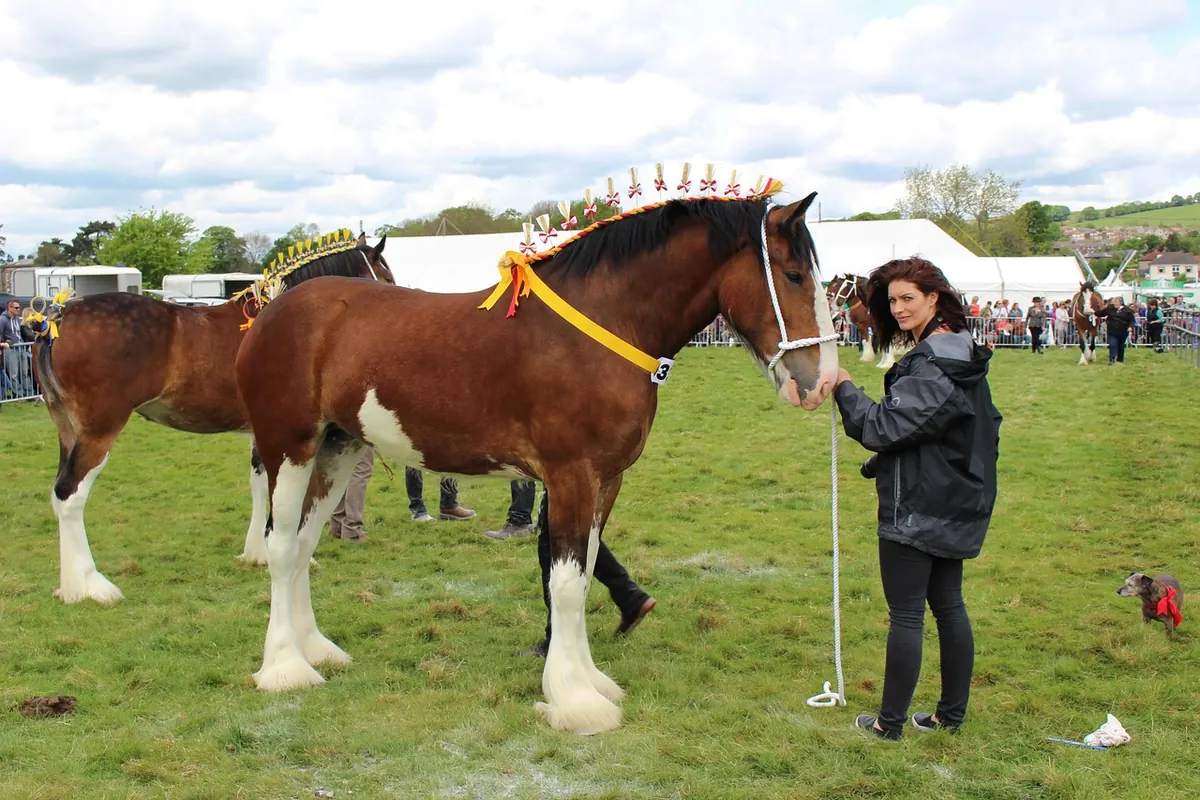
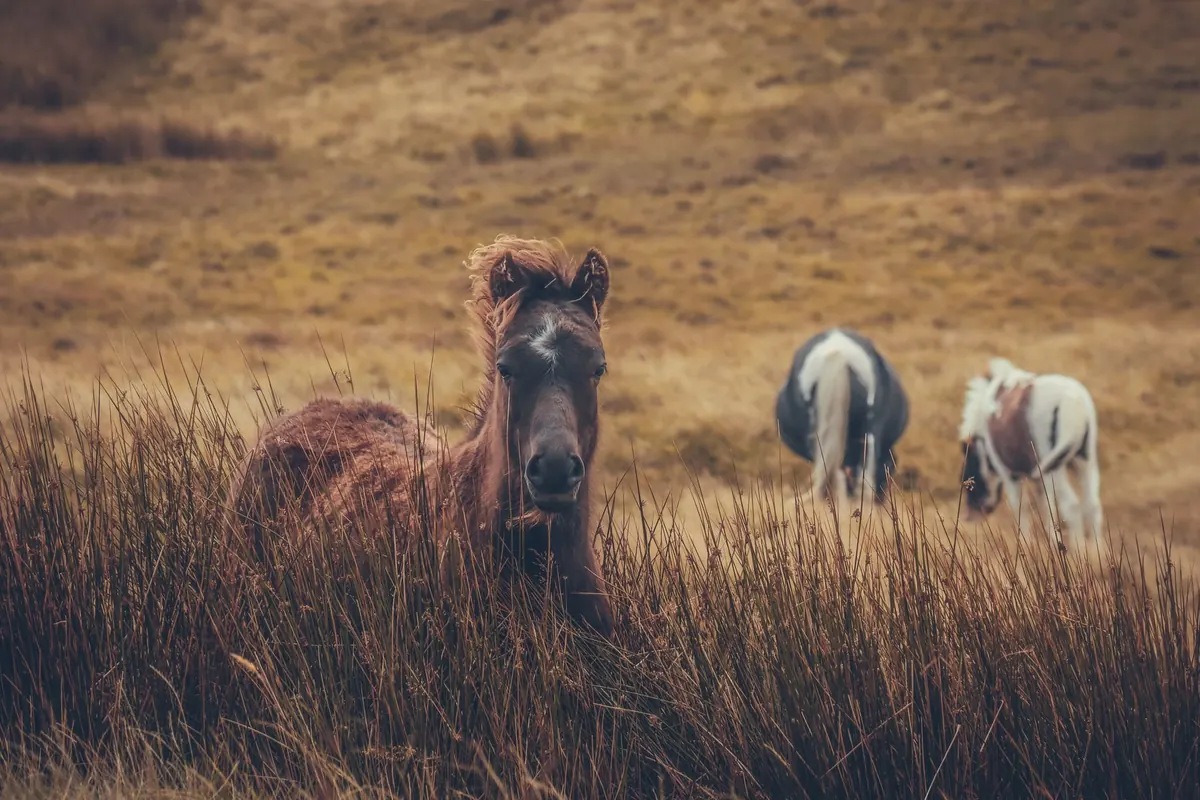
Dartmoor's ponies, cattle and sheep are working animals, not attractions. Feeding them causes real harm: it makes ponies pushy and bitey, and rich food can make them genuinely ill. Keep your distance, keep children close, and photograph with a zoom rather than a hand held out. A pony that has learned that rucksacks contain sandwiches will investigate yours.
Cattle with calves are the ones to watch. Give them a wide berth, do not walk between a cow and her calf, and if a herd is sitting on the path, go around at a distance or choose another route. It is never rude to turn back. If cattle move towards you with a dog, the usual advice is to let the dog go — it can outrun them and you cannot outrun a cow while holding a lead.
Sheep are easy to overlook and easy to disturb. Leave gates exactly as you find them: closed if closed, open if open, and fasten any gate you unlatched. Adders bask on paths and in heather, particularly in spring. Wear boots rather than trainers, avoid putting hands into tussocks, and if anyone is bitten, keep them still, call 999 and get medical help rather than trying to treat it yourself.
Dogs on the moor
Keep dogs under close control at all times, on a short lead around livestock and through the ground-nesting bird season from March to the end of July. A dog that flushes a lapwing or chases a pony can cause damage that lasts far longer than the walk. If your dog is not reliable around livestock, save the open moor for another day and enjoy one of the wooded valleys instead.
Leaving More Than Footprints
Dartmoor's peat and thin soils scar easily, and those scars stay for years. When a path is wet, walk through the puddle rather than around it — the widening mud fan at the edges is how a single narrow track becomes a twenty-metre strip of erosion. Avoid cutting corners on switchbacks and resist shortcuts across fragile bog.
Fires and disposable barbecues are not welcome on the open moor, and a stove that seems safe on gravel can set peat smouldering underground. Pack out everything, including fruit peel and wet wipes, which are litter however biodegradable they look. If you need the loo, go well away from water and paths, and either bury it in a shallow hole or carry it out; in busy spots, carrying out is the better choice. Leave the stone walls, cairns and streams alone — moving stones to build a shelter or dam damages habitat and confuses the archaeology that makes the moor special.
If you were hoping to bivvy out on the open moor, note that wild camping there is not a right. Check the current position, get permission where it is needed, or use a proper campsite and walk in early the next morning.
Before You Set Off
Five minutes of preparation prevents most of the trouble described above. Tell someone your route and your expected return time, and message them when you are back at the car. Start earlier than feels necessary — a 9am start leaves room for the wrong turn; a 1pm start does not. Check the forecast, the firing times and the daylight hours together, and pick a route that matches the weakest pair of legs in the group rather than the strongest.
Know how to call for help: dial 999, ask for the police, then ask for mountain rescue, and be ready to give your grid reference, a description of the location and details of anyone injured. Then stay put, keep warm and make yourself visible. And if the day goes wrong on the moor, remember the oldest rule of all — turning back is a decision, not a failure. The pint in the village pub tastes just as good either way.
Related posts
More stories you’ll love reading