

A Local's Guide to Devon Literature: Books, Authors, and Literary Places
Devon has been writing itself into books for two centuries. Fog on Dartmoor becomes a crime scene, a north-coast river becomes an otter's entire world, and one fold of Exmoor hillside becomes a lost kingdom. Part of that is landscape. Part of it is the writers the county keeps attracting — novelists who came for a fortnight and stayed for thirty years.
This is a guide for readers who like to walk into the pages: the authors most closely tied to Devon, the places you can actually visit, and how to stitch them into a trip without spending the whole day in the car.
Dartmoor: Where Devon's Crime Fiction Began
Arthur Conan Doyle came to Dartmoor in 1901 with a journalist friend, Bertram Fletcher Robinson, whose family had West Country connections. The result was The Hound of the Baskervilles, and the moor has been a murder scene in the popular imagination ever since. The Grimpen Mire is invented, but its mood is not: stand above Fox Tor Mires on a wet afternoon and you will recognise the place. Hound Tor, Grimspound and the lanes around Buckfastleigh feed the same atmosphere.
Before Conan Doyle, Eden Phillpotts was already mining the moor for fiction. His Dartmoor novels, Children of the Mist among them, are slow, dense and full of weather. Phillpotts lived in Torquay and encouraged a young neighbour with literary ambitions named Agatha Christie. For a gentler moorland read, find Beatrice Chase's The Heart of the Moor, written from a cottage near Widecombe by a woman known locally as the Lady of the Moor.
Agatha Christie's Devon: Torquay, Greenway and Burgh Island
Christie was born in Torquay and never quite left it behind. Start at the harbourside, where a bronze of her sits with a book, then follow the Agatha Christie Mile along the seafront past the places that shaped her early life. Torquay Museum holds an Agatha Christie gallery with photographs, letters and family material — a good hour before you head out of town.
The real pilgrimage is Greenway, her holiday home above the River Dart near Galmpton, now cared for by the National Trust. It is the house behind Dead Man's Folly and the setting that shaped Five Little Pigs: the walled garden, the boathouse, the clutter of a family that genuinely used the place. Parking must be booked ahead in busy periods; many visitors arrive by ferry from Dartmouth instead, which is the better approach anyway.
Then there is Burgh Island, the tidal outcrop off Bigbury-on-Sea that inspired Evil Under the Sun. You can cross the causeway on foot at low tide or take the sea tractor when the water is up. The art deco hotel is a working hotel, so book a table or a drink rather than treating it as a museum.
Exmoor and Lorna Doone: A Romance You Can Walk Into
R. D. Blackmore's Lorna Doone appeared in 1869 and turned a remote corner of Exmoor into a national romance. Oare church, where the story's wedding goes badly wrong, still stands above the valley; Malmsmead and the walk up Badgworthy Water take you into what most people accept as Doone Country. The National Trust owns parts of the valley, and the paths are well marked.
Be honest about the book: it is a Victorian adventure-romance with dialect, digression and a very long haul. Read it before you go, or read a good abridgement, and the landscape will carry the rest.
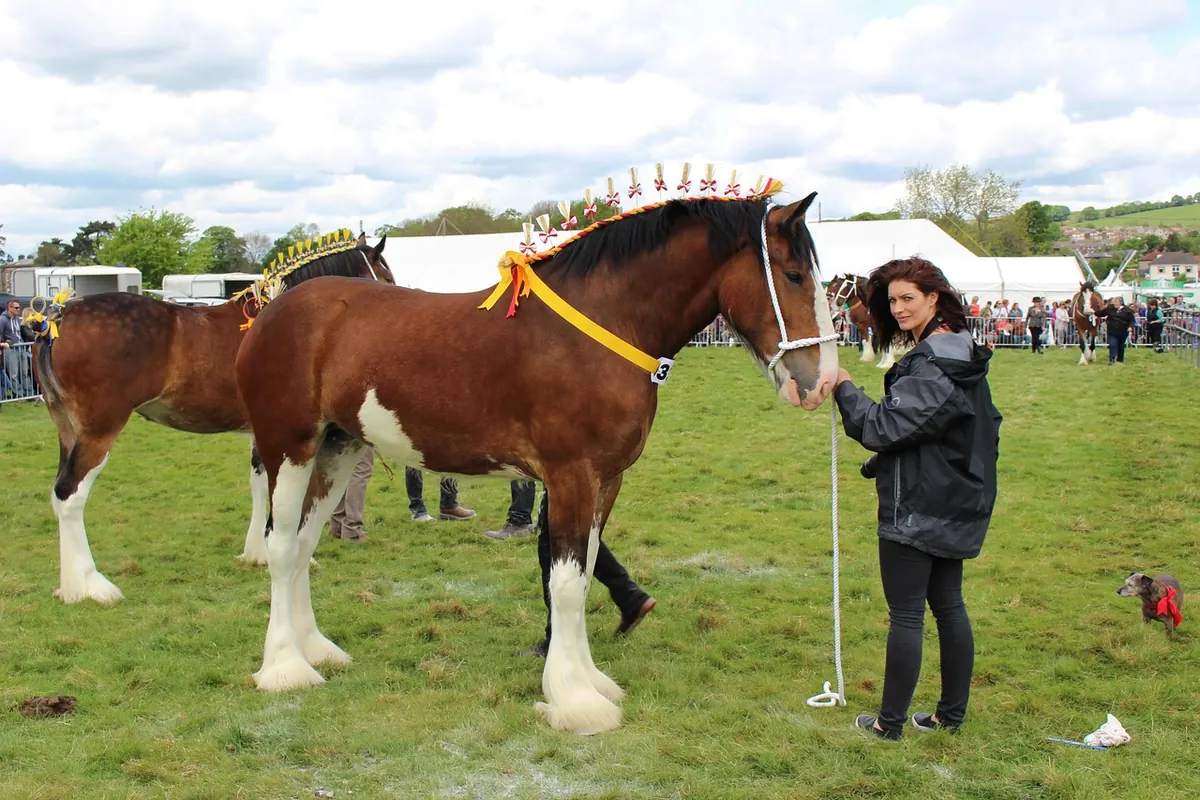
North Devon: Otters, Horses and Westward Ho!
Henry Williamson's Tarka the Otter, published in 1927, follows its otter hero through the rivers and estuaries of North Devon, especially the Taw and Torridge. Williamson lived at Skirr Cottage in Georgeham, and the surrounding lanes and burrows are the book's real geography. The Tarka Trail, a long-distance walking and cycling route, takes its name from the novel; even a short stretch along the Taw estuary at Barnstaple or Instow gives you the light and water that Williamson spent pages describing.
Nearby is Westward Ho!, the village named after Charles Kingsley's 1855 novel Westward Ho! — the only place in Britain with an exclamation mark in its name. Kingsley was born in Holne, on the edge of Dartmoor, and his novel is a full-blooded Elizabethan adventure of Devon sailors and Spanish treasure. The book is very much of its time, but the beach and the pebble ridge at Westward Ho! still feel like a stage set for it.
For something quieter, the North Devon coast also has a strong tradition of nature writing. Williamson's otter is the famous example, but contemporary writers continue to walk these estuaries and write about them. A short stroll on the Tarka Trail, followed by a browse in Barnstaple's bookshops, is a good half-day for any reader.
Mid-Devon and South Devon: More Literary Places
In 1961, Ted Hughes and Sylvia Plath bought Court Green, a thatched house in North Tawton, midway between Dartmoor and Exmoor. Plath wrote some of her most famous late poems while living there, and Hughes returned to the landscape in his own work for decades. The house is private and not open to the public, but the town and the surrounding lanes give a sense of the place that shaped a turbulent literary period. If you are tracing it, pair a visit with the independent bookshops in nearby Okehampton or Crediton, and be respectful of residents.
South Devon has its own literary current. At Dartington Hall, near Totnes, the Dartington Trust has hosted poets, thinkers and musicians since the 1920s; the estate's gardens and the medieval hall are open to visitors, and the bookshop in Totnes is a good place to stock up on local writing. Totnes itself has a strong independent bookshop culture and a reputation for alternative thinking. From here you can reach Greenway, Dartmoor's southern edge and the coast at Dartmouth, where the Dartmouth Book Festival takes place in the autumn. The festival is small but well judged, with events in the town's bookshops, churches and the Royal Dart Yacht Club.
Festivals, Bookshops and How to Stitch It Together
Devon's literary life is not only historical. The county has a lively calendar of festivals and bookshops where you can hear writers and buy local titles.
- Dartmouth Book Festival (autumn): small, friendly, with events in historic venues around the town.
- Ways With Words (Dartington,
Photo: Arturo_Anez / Pixabay
Related posts
More stories you’ll love reading